
Put Joiner-Mover-Leaver on Autopilot
Access is granted, adjusted, and revoked automatically as HRIS events fire, so IT stops chasing tickets and starts trusting the system. You design the system, agents do the work.

Trusted by the world's most innovative companies














Every HRIS Event Is an Access Event
A new hire starts, a role changes, an employee leaves: each one should trigger the right access automatically. Instead, most teams still run this by hand, which means new hires wait, movers keep access they've outgrown, and leavers stay provisioned long after their last day. Lifecycle management built on a live HRIS sync closes that gap.

Productive on day one
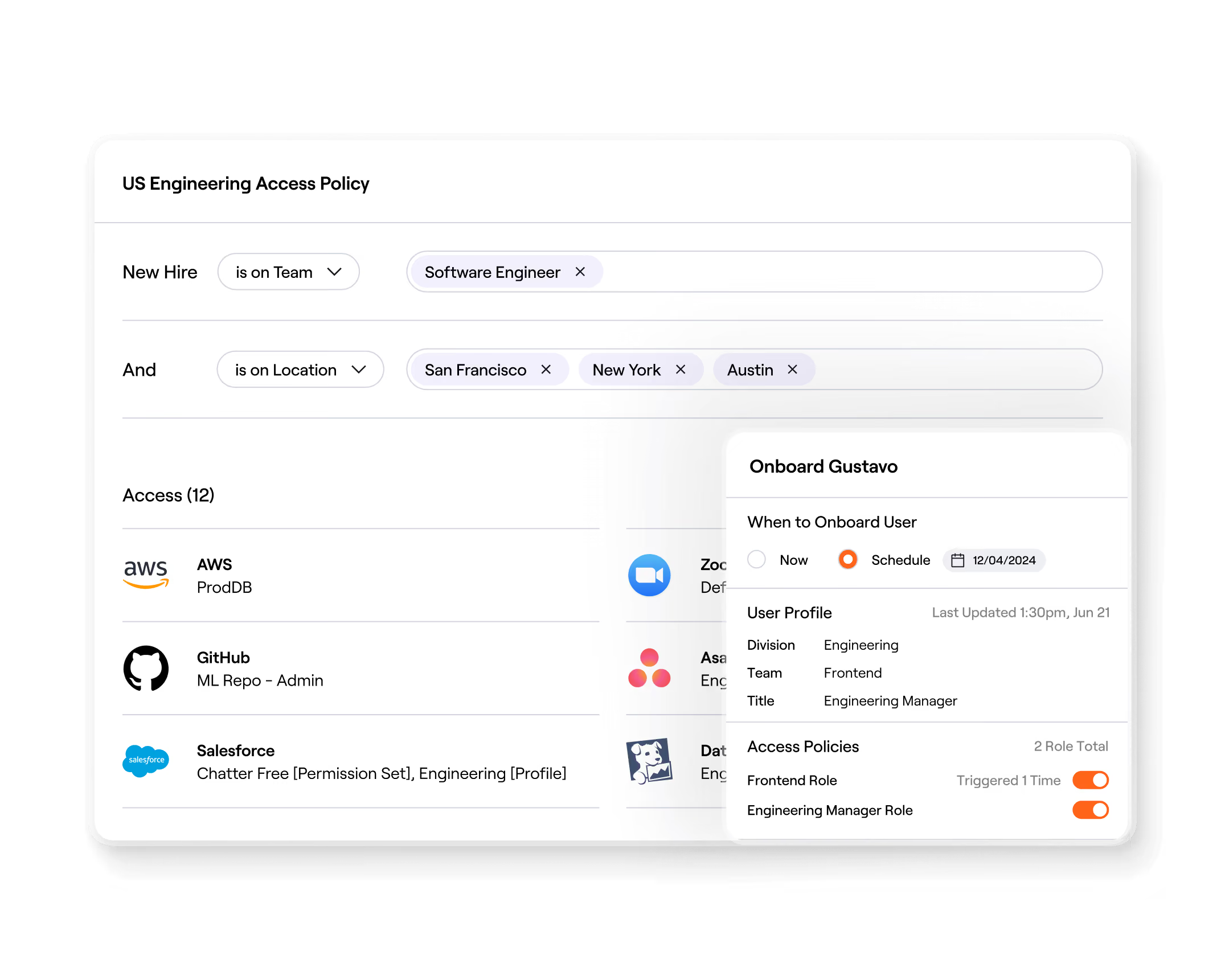
New hires receive the accounts and entitlements their role requires before they log in for the first time, not after a ticket is cleared.

Access that keeps pace with the role
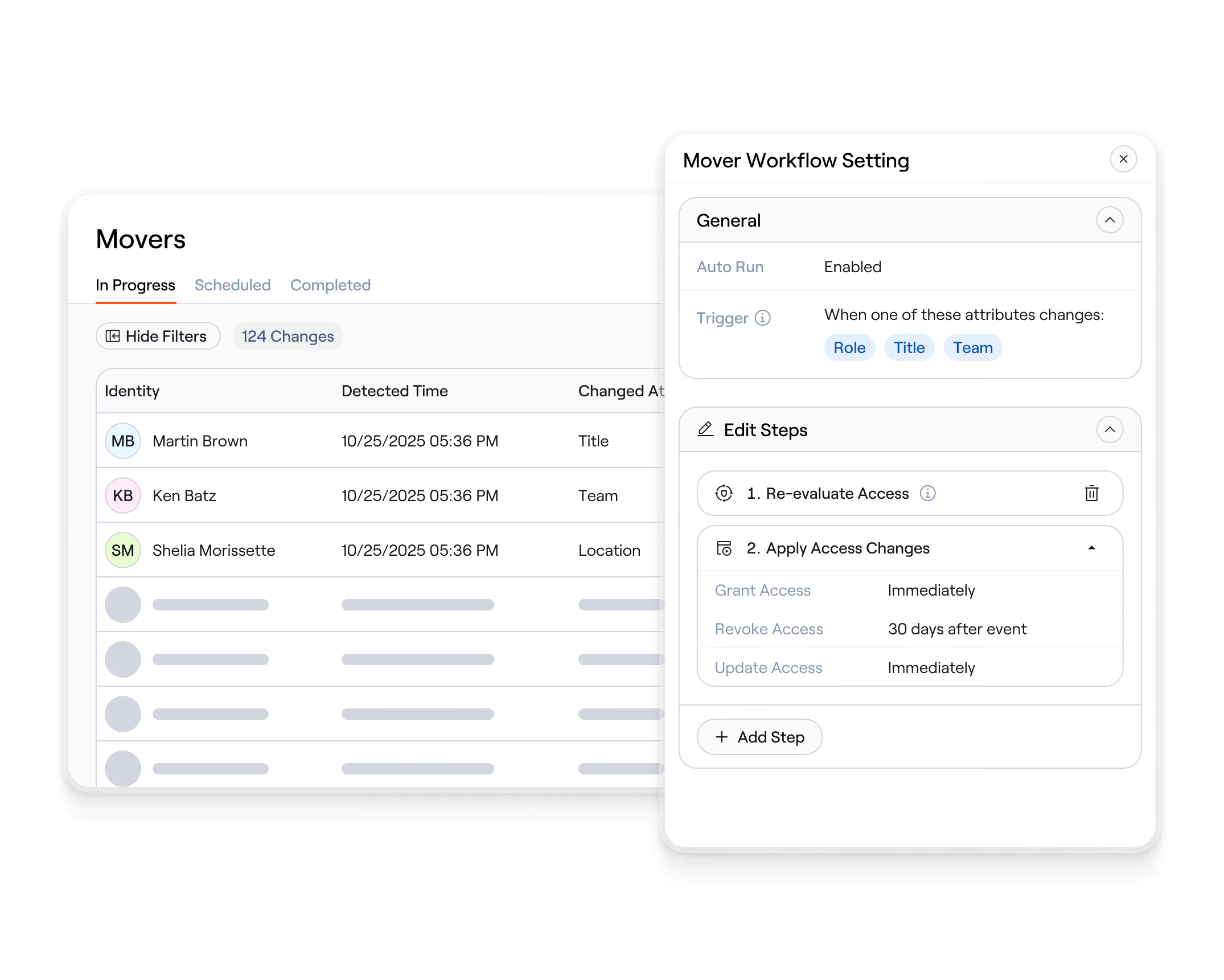
When someone changes teams or gets promoted, their access updates with them instead of accumulating on top of what they already had.

Offboarding that actually finishes
Access is revoked across every connected system the moment someone leaves, not whenever IT gets to the ticket.
Lumos
vs. Legacy IGA
Legacy IGA platforms can technically automate JML, but they take services engagements to configure and months to deploy. Lumos connects to your HRIS and IdP directly, so lifecycle automation ships in weeks, not a year-long project.


How
Lifecycle Management
Works
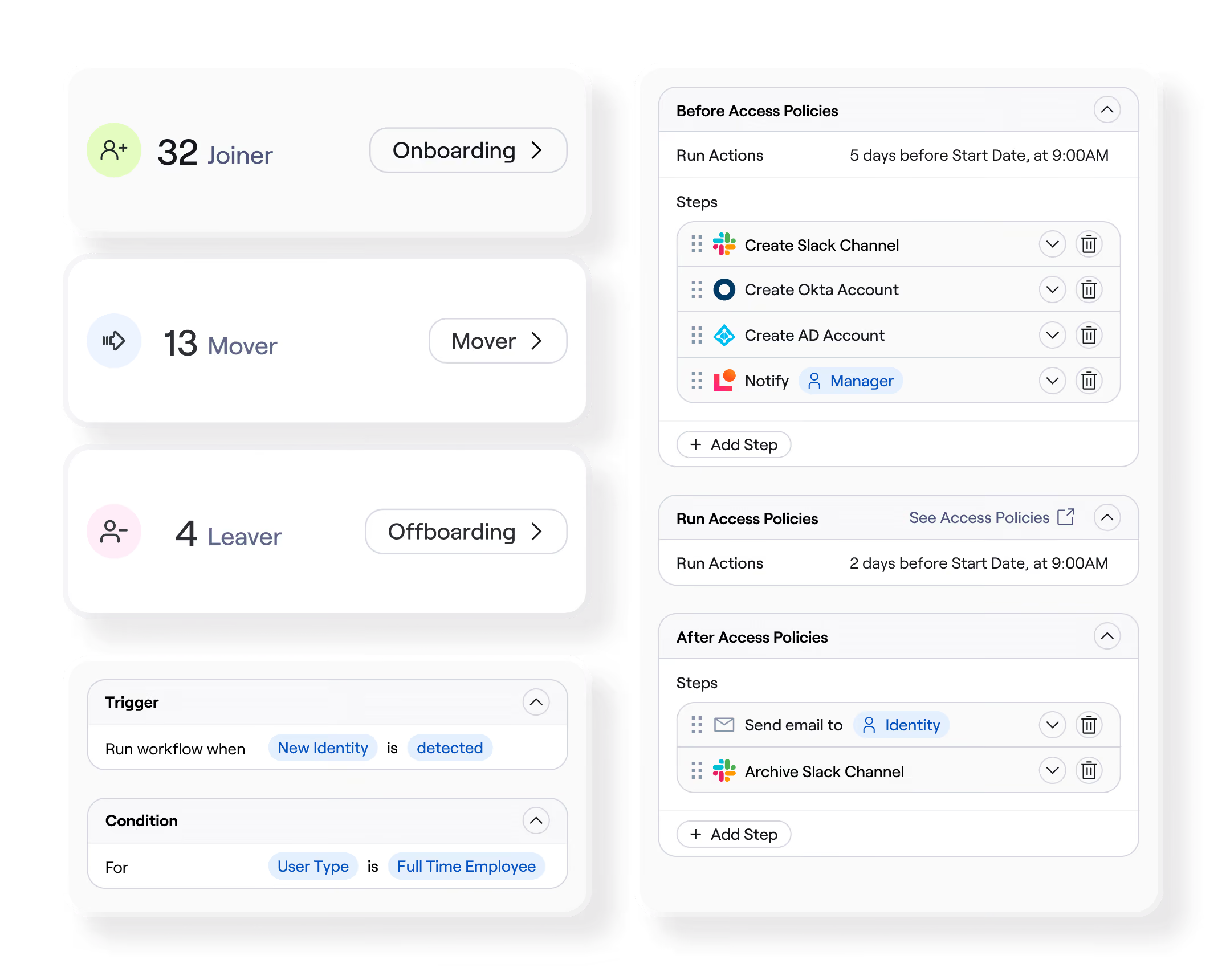
Three workflows, not one script. Joiner, mover, and leaver each run with their own triggers and approvals. Albus watches HRIS events - role, department, manager, status - and applies the right policy the instant something changes, tracking every grant and revocation across your IdP, HRIS, SaaS, cloud, and on-prem systems with a full audit trail.
Outcomes You Can Measure



One Workflow for Every Stage of the Lifecycle
Each stage of employment triggers its own workflow, built on the same HRIS data and the same policies you define once.
Joiner
The moment someone's start date hits your HRIS, Lumos provisions IdP accounts (Okta, OneLogin, Active Directory), email, and role-based birthright access automatically, no manual ticket, no waiting on IT to notice a new hire exists.
Mover
Role and department changes flow from your HRIS into access changes: new entitlements get added, outdated ones get retired, and nothing lingers just because no one remembered to clean it up.
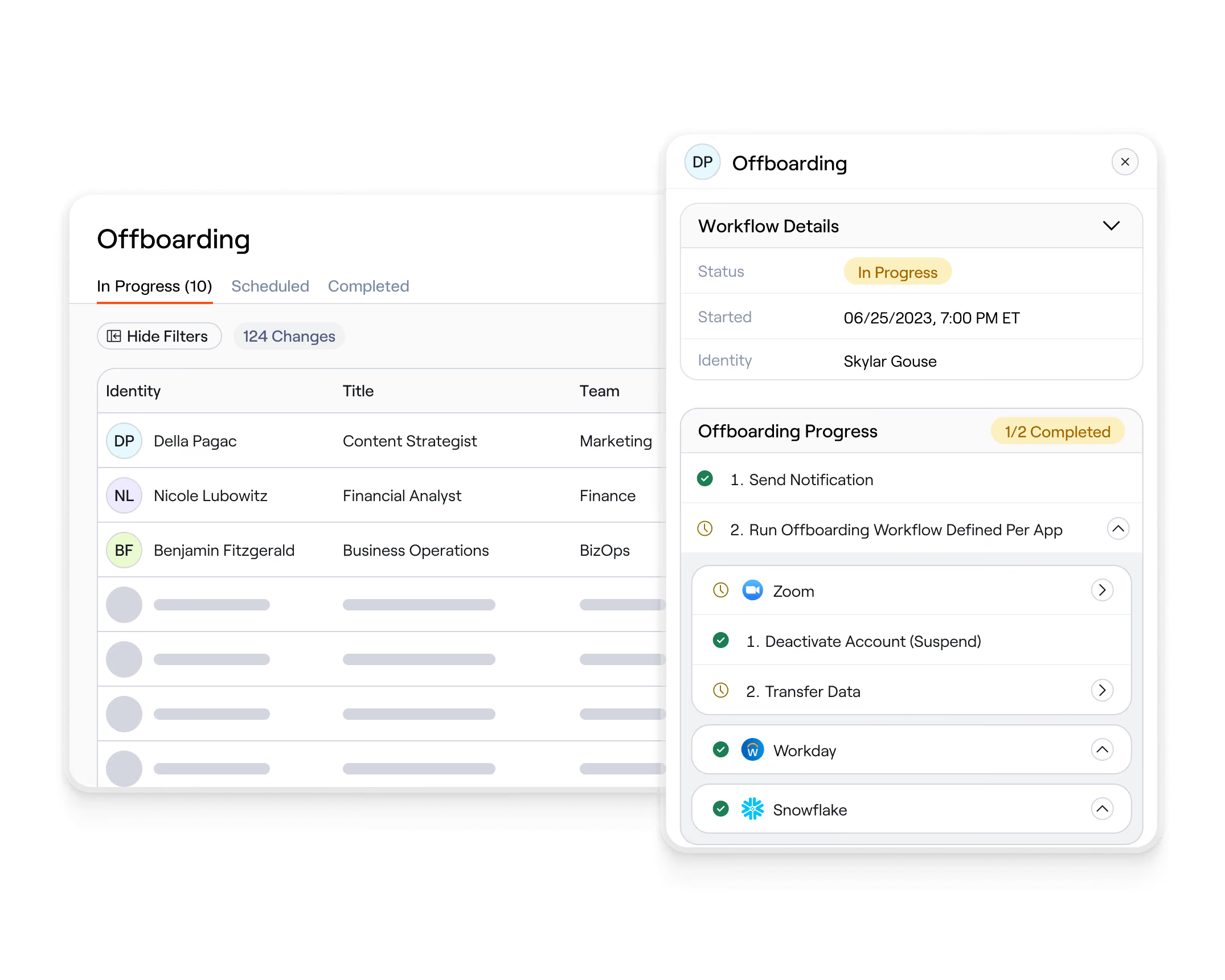
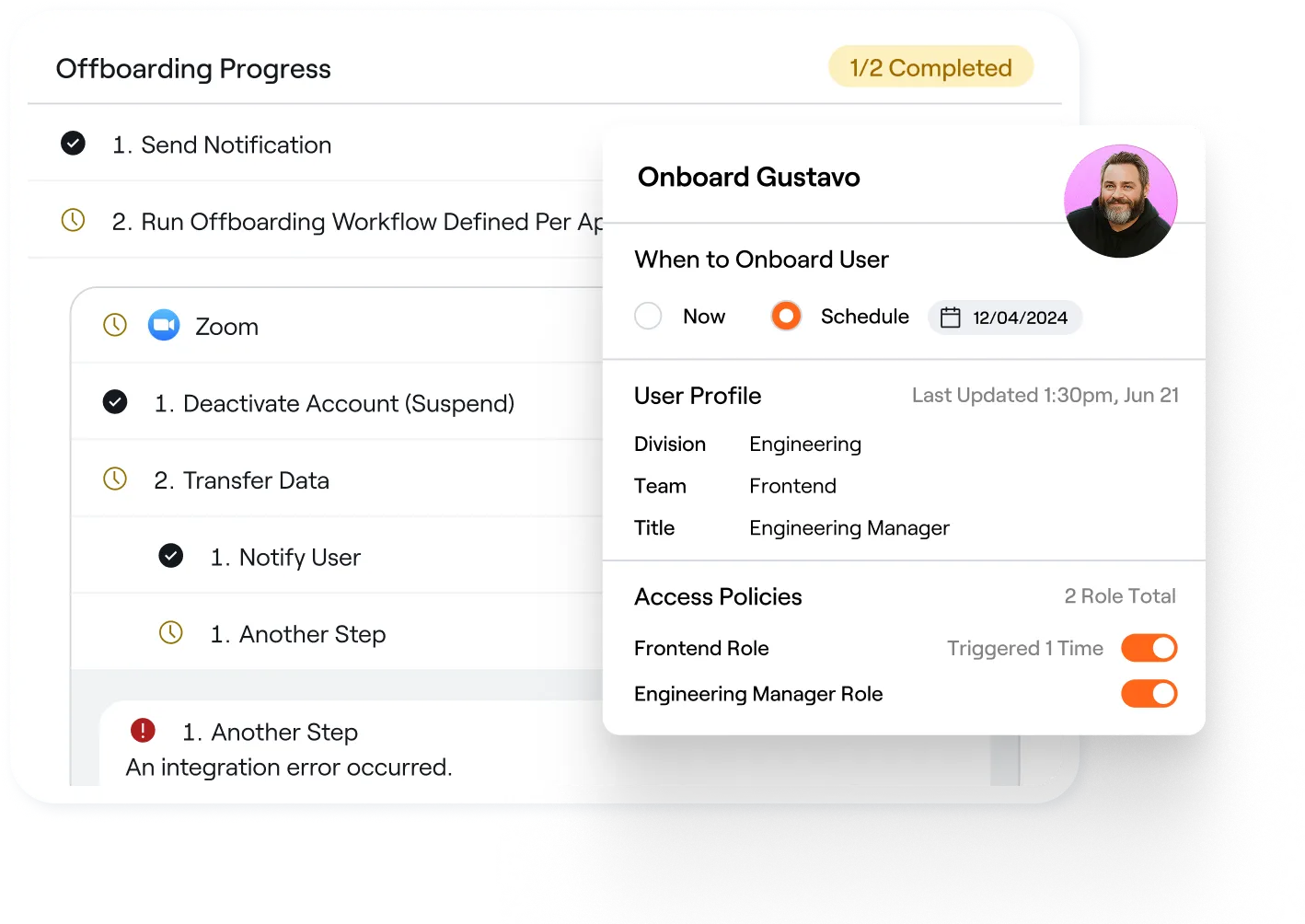
Leaver
An offboarding event revokes access across IdPs, local accounts, custom apps, SaaS, cloud, and on-prem systems simultaneously, closing every gap rather than leaving accounts live until someone notices.












Additional Resources
Checklist: A Guide to the Best Offboarding Practices for Busy IT Teams
A practical checklist for protecting company data through every step of employee offboarding.

The Ultimate Guide to Identity Lifecycle Management
Key components, benefits, challenges, and best practices for managing user identities efficiently.
Frequently Asked Questions

Identity lifecycle management (ILM) is the process of managing a digital identity through every stage of its existence, from initial creation, through role and access changes, to deactivation. It keeps access appropriate at each stage, reducing both risk and manual work. With Lumos, ILM runs on HRIS and IdP syncs, role-based templates, and Albus, so identities are provisioned and deprovisioned cleanly and nothing stale lingers.
The joiner-mover-leaver process describes three lifecycle stages: joiner, when someone joins the organization and receives initial access; mover, when a role, team, or department change triggers an access update; and leaver, when someone exits and their access must be revoked. JML is central to identity lifecycle management, and Lumos automates all three stages from HRIS events.
Automating JML means connecting your HRIS and identity provider as authoritative sources, defining role-based policies, and letting those systems trigger provisioning, role updates, and deprovisioning without manual tickets. Lumos orchestrates this across 300+ applications, syncing HRIS and IdP events, applying policy templates by role and department, and logging every action for audit evidence.
An identity lifecycle management solution is a platform that automates and enforces the processes governing identity creation, role changes, and deprovisioning: workflows, policy enforcement, HRIS integrations, and audit trails. Lumos is built this way, automating joiner-mover-leaver flows, pre-configuring birthright access, and providing audit evidence out of the box.
Legacy IGA platforms can automate lifecycle management, but typically require a services engagement and months to configure. Lumos connects natively to the HRIS and identity providers you already run, so lifecycle automation deploys in weeks and policy changes don't require a change request to a vendor.



Don't let any identity become your next breach.
Govern every human, machine, and AI in your business with a free identity assessment today.
Book a Demo
The autonomous identity platform. Agents that continuously govern access for every human, machine, and AI.